

NP30 - three decades of nature conservation
(This article is copied unchanged from SZPI Newsletter 229, with the author's permission.)
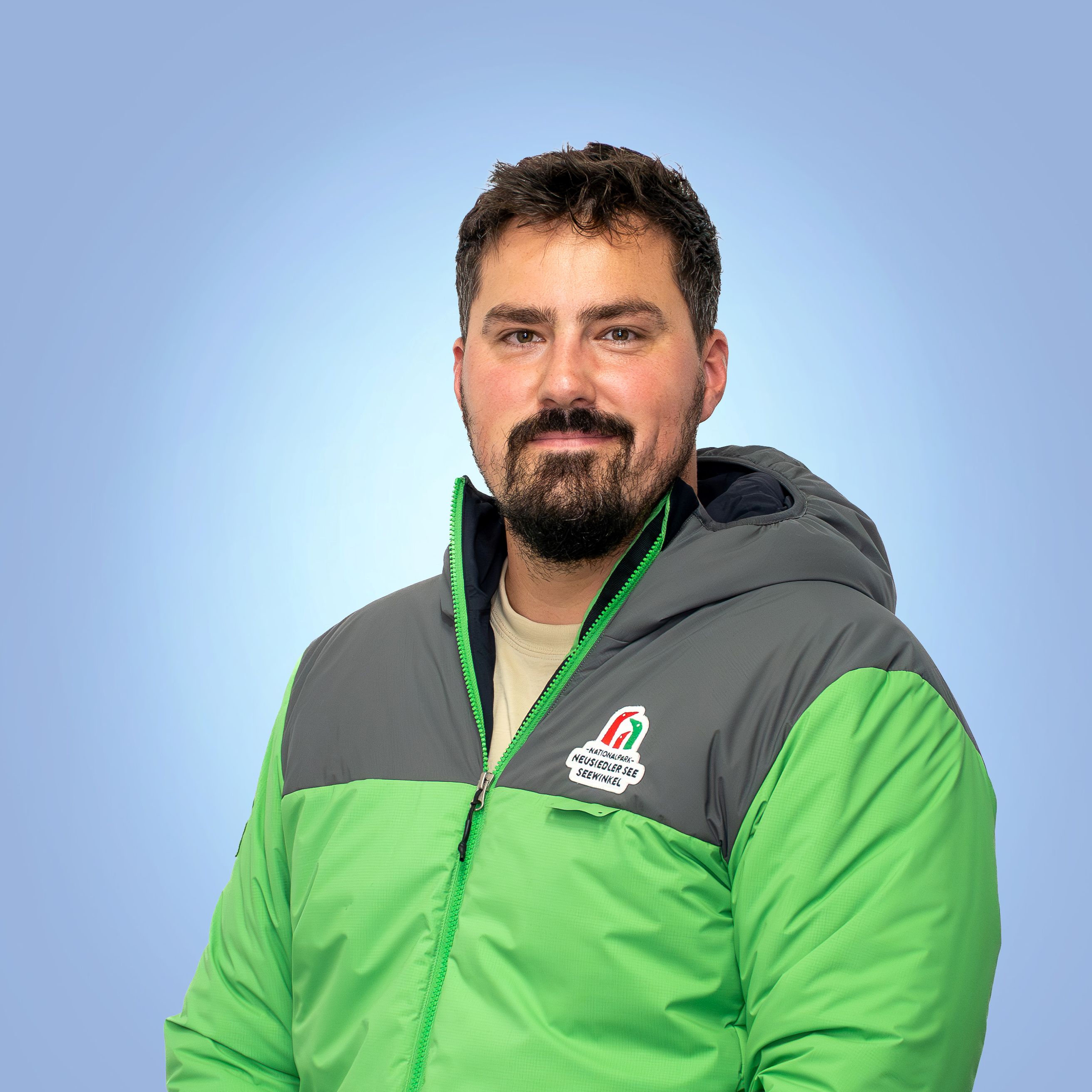
Although it is a unified area from a nature conservation and ecological point of view, it is divided by an artificially created state border, separating the Neusiedler See-Seewinkel National Park and the Fertő-Hanság National Park. Over the past three decades, staff from both institutions have worked together on numerous occasions to achieve their goals. They are celebrating this milestone anniversary with a new project entitled: Promoting and raising awareness of the unique natural values of the 30-year-old Neusiedler See-Seewinkel / Fertő-Hanság National Park (NP30 for short). The primary goal of the partnership between the two organisations is to enable visitors to the region to experience its natural beauty as a unified natural environment. We spoke to Lukas Vendler, a member of the project communication team at the lead partner, Neusiedler See-Seewinkel National Park, about the project, which is being implemented with the support of EU funds from the Austria-Hungary Interreg Cooperation Program 2021-2027 (Interreg AT-HU 2021-2027).
How did the idea for the project come about?
The NP30 project was initiated to mark the 30th anniversary of the cross-border Neusiedler See-Seewinkel and Fertő-Hanság National Parks. Although the cooperation between the two institutions has been exemplary so far, there is still room for improvement – especially in terms of getting to know the areas on the other side of the border better and further strengthening communication. The routes of various excursions, tours, and school activities usually only go as far as the border, even though the landscape forms a coherent whole. In addition to publicly celebrating the anniversary with our project, we are also strengthening cross-border cooperation to break down the mental and physical barriers between our staff, visitors, and local communities
What is the most important objective of NP30?
Our main task is to transform the national park into a single, unified protected area, regardless of the state border. Our mission is to make visitors feel that they are experiencing a single, coherent landscape, a single region, rather than two separate areas. This is reflected in our joint anniversary events, new cross-border guided tours, the training of our staff, rangers and tour guides, and the planned joint image film. With all of these, we want to reinforce the feeling of a unified natural space.
Who are the target groups of the project?
They are extremely diverse, primarily tourists visiting the region, including cyclists and nature lovers, who can directly benefit from cross-border tours and events. Secondly, the local population, whom we would like to involve and address through anniversary events, stamp collecting campaigns, and awareness-raising activities. Thirdly, educational institutions, students, and young people will be involved in our events through competitions and study programs organised as part of the project. Last but not least, representatives of the scientific community, such as nature conservation experts, rangers, tour guides, and researchers, will participate in joint training sessions, workshops, and seminars.
Speaking of colleagues, how many experts are involved in implementing the plans? How is the cooperation between the two partner organisations?
One person on each side is responsible for coordinating the project—the Austrian side, Neusiedler See-Seewinkel National Park, is acting as the lead partner. I personally support several project elements. In addition, more than 20 of our colleagues have participated in the training courses, several of them have already led test excursions, and colleagues from the research departments have held training programs. One of the most important goals of the project is for colleagues on both sides to get to know the extremely rich cross-border hiking trails, from the wetlands and wooded hills of Hungary to the salt lakes and pastures of Austria. Many employees on both sides have been and continue to be involved in the organisational work. The cooperation has been completely smooth and constructive so far, with regular meetings, workshops, and daily communication ensuring close coordination.
What tasks have you completed so far? What successes can you already boast about?
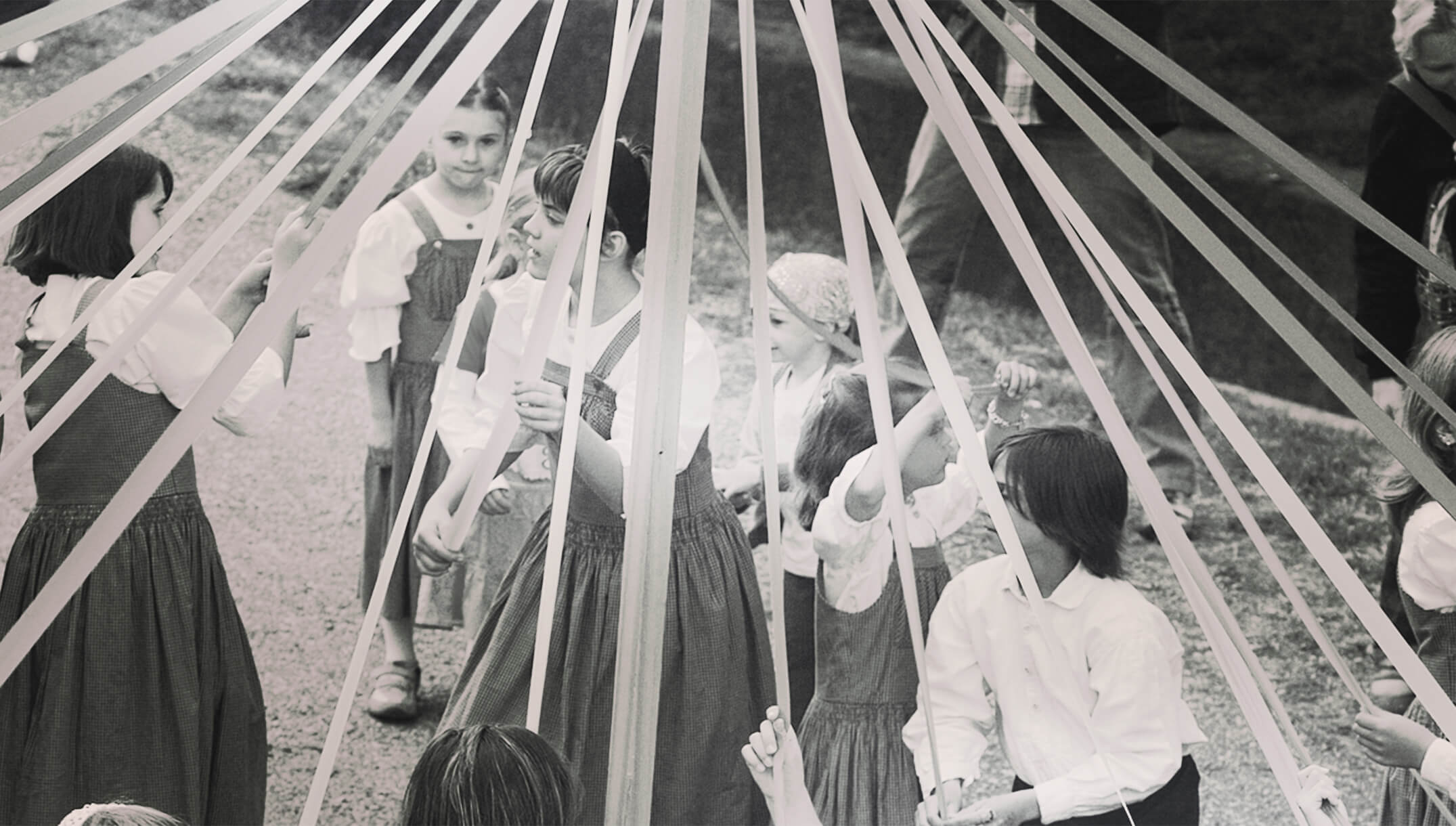
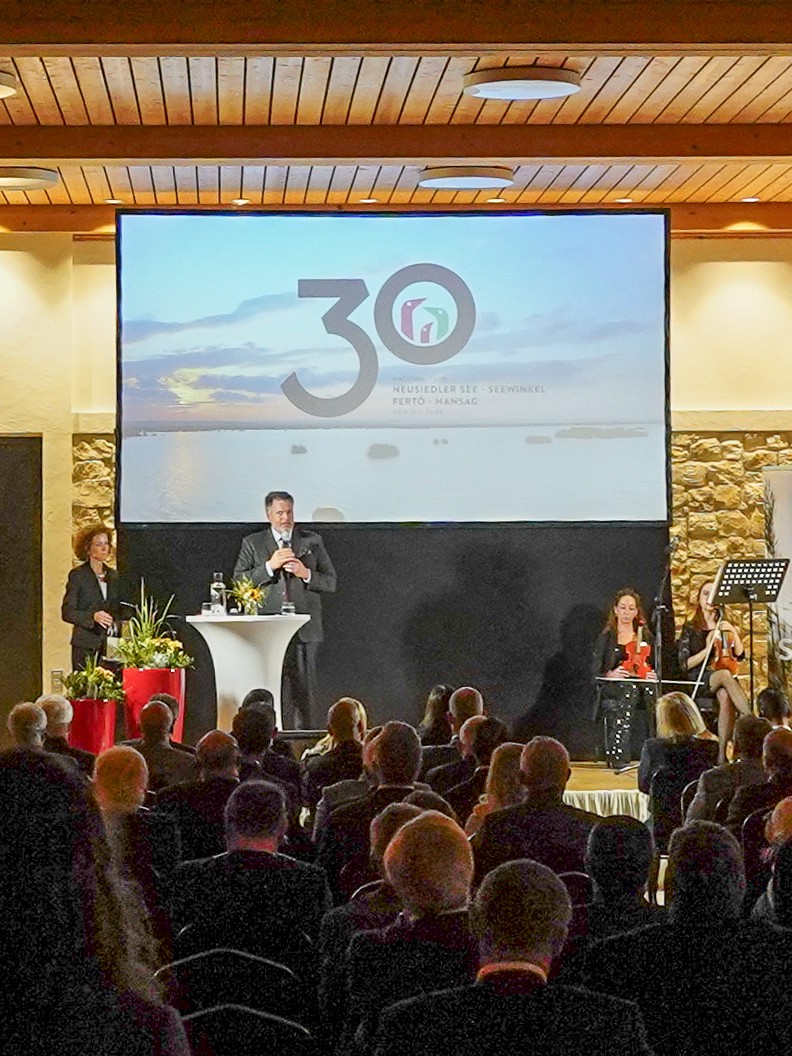
We have achieved a number of important results, or milestones, in the project. We organised a successful celebration in Austria and a Farm Day in Hungary. Hundreds of people attended both events, so we can say that they were a great success. We welcomed visitors with a wide-ranging program, including market stalls, guided tours, and children's activities. We created a truly festive atmosphere, highlighting the natural and cultural values of the shared protected area.
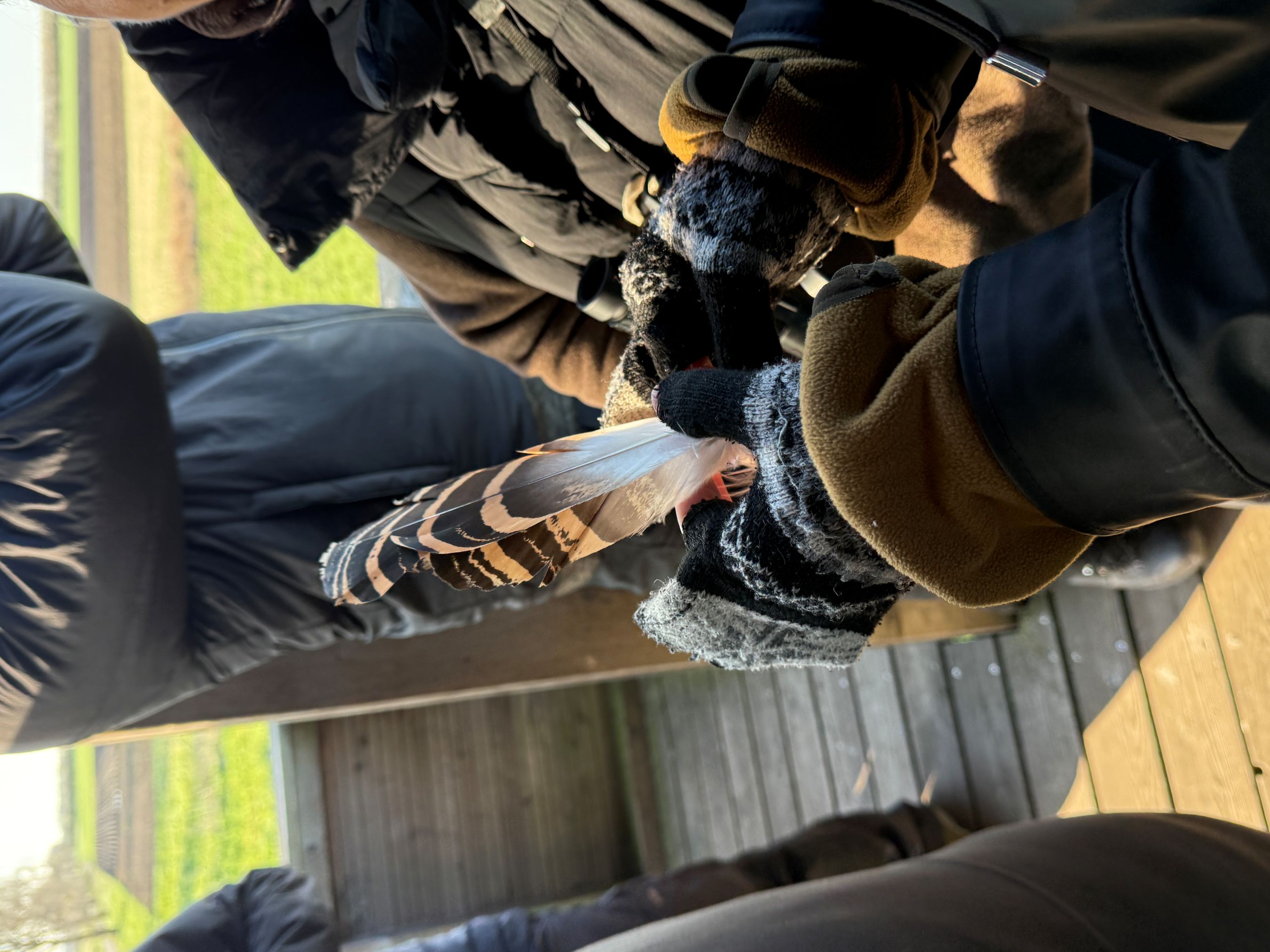
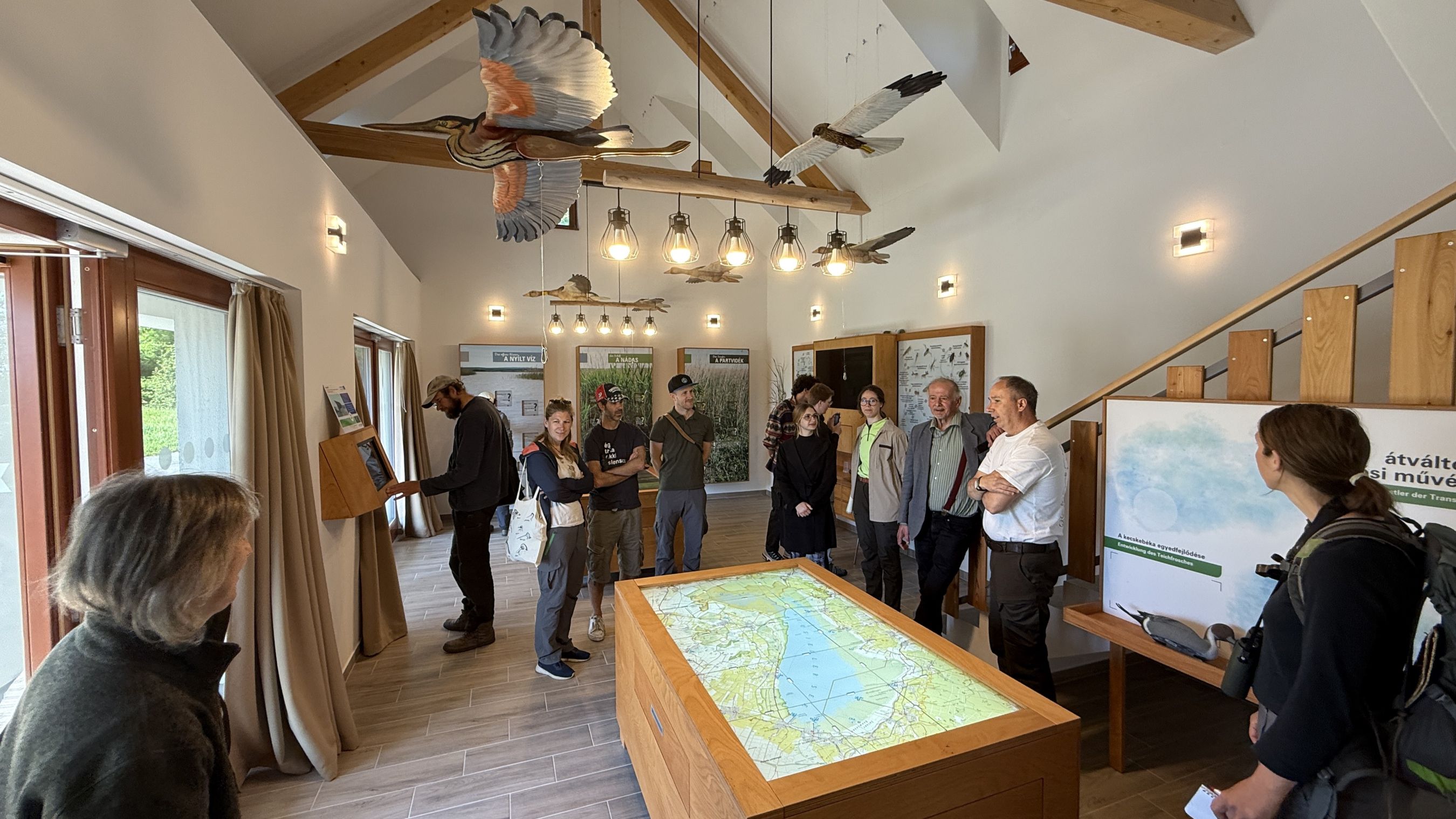
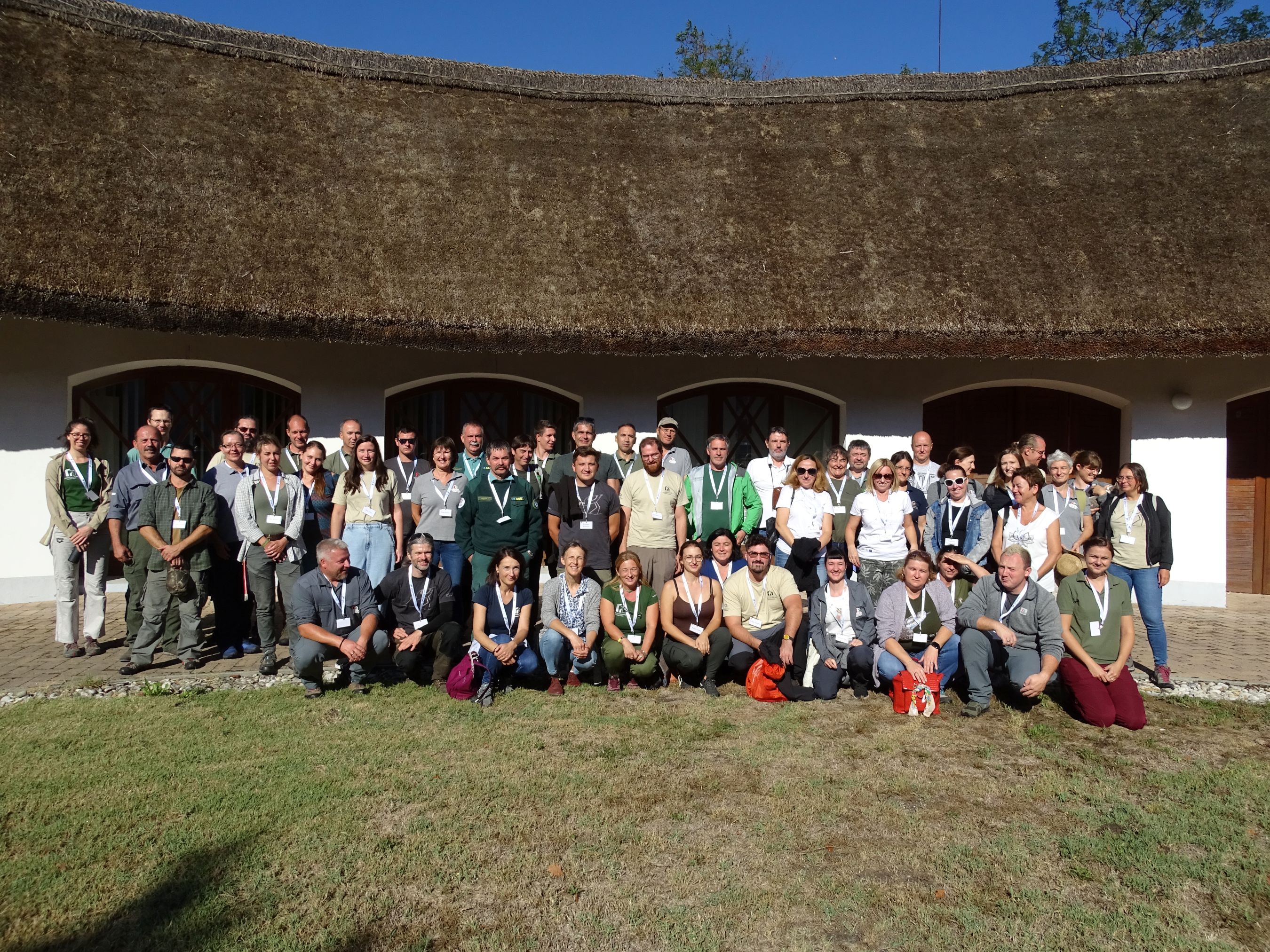
The training courses for professional guides, covering various habitats, have also been very well received. In addition, the tour guides were finally able to get to know, explore, and learn about lesser-known sites on the other side of the border. We also organised a team-building treasure hunt workshop for them, which brought the 60 people of the Austrian and Hungarian teams even closer together. This event was very entertaining and allowed colleagues to get to know each other better. In August and early October, we organised cross-border cycling tours with a joint picnic on a trial basis, which attracted many participants and received excellent feedback.
Wasn't it too cold in the saddle at the beginning of October?
On the contrary, it went very well. I took part in it too, and although a seven-hour bike ride may seem quite long, the time really flew by – it was a very enjoyable day. On the way, we even saw some deer and a lot of bird species, and we were able to explore the cross-border landscapes of the Neusiedler See – Fertő-Hanság National Park in beautiful sunshine.
You mentioned that you are making a film as part of the project. How is the work progressing?
Yes, we are shooting a so-called image film, and we have already shot all the scenes. I saw some impressive footage! Based on this, I can say that the shots are very promising and of excellent quality. My colleagues are still working hard on the post-production. According to our plans, the final version will be a modern, five-minute, high-quality film that showcases not only nature but also the inhabitants of the national parks, the people who live and work here.
What other tasks and goals do you, the partnership staff, still have ahead of you?
In order to raise awareness of our shared natural values, we are still carrying out a number of awareness-raising and promotional activities, in addition to the aforementioned public trial tours. Our poster campaign and social media activities will continue throughout the project. We placed the posters around significant events such as the cross-border Farm Day and the experimental tours. In September, we launched a 30-day social media campaign on Facebook and Instagram with the aim of presenting the two national parks as a single natural entity, regardless of the state border, and making their unique habitats and species visible to both visitors and local communities.
In addition, we are organising a 30-stop stamp collection campaign, during which we have placed QR codes at well-known locations, allowing visitors to collect digital stamps and obtain further information about the natural values of each location. We have also launched a school campaign, a cross-border drawing competition. The children's creations will be exhibited at our Family Day event. We organise guided cross-border tours not only for schoolchildren but also for the general public: we hope that after the project, even more hikers will regularly cross the border.
When is Family Day scheduled to take place?
This Sunday, October 26, on the Austrian side, in Illmitz. It will start with a walk around the small lake in Illmitz, the Zicksee, followed by children's programs, concerts, food, and drinks. We hope the weather will be good and that many people will come!
What challenges did the project partnership face during implementation?
The biggest challenge was time management. The project is progressing faster than expected, and careful coordination was and is needed to ensure that all planned events and training courses are implemented within the specified time frame.
Which element of your project are you most proud of? What is the most exciting part of NP30?
It is difficult to single out one element, but we are already proud to have successfully implemented a joint project that has enabled us to cross linguistic and national borders. I was mainly involved in the production of the image film, and I am personally looking forward to presenting it.
How has the project been received by the various target groups so far?
Our colleagues have given excellent feedback on the training courses and team-building workshops, and visitors have responded very positively to the test bike rides, while last year's Farm Day in Hungary was also praised by many participants.
What project results would you be satisfied with at the end of November?
It would be a step forward if visitors, schools, and local communities increasingly experienced national parks as shared natural spaces. But it would also be a success if cross-border trips were organised more often in the future, if the image film reached a wide audience, and if the cooperation between Austrian and Hungarian colleagues continued to strengthen after the project's closure. As for long-term results, the project was designed to have a lasting impact. Therefore, the partners plan to continue holding joint events after the anniversary celebrations, and the digital stamp collection will remain in place so that we can continue to communicate with visitors.
Photos: NP30, Neusiedler See-Seewinkel National Park, Fertő-Hanság Nemzeti Park, SZPI, Pixabay