





Cross-border career guidance and sustainability: The successes of the Talent School project
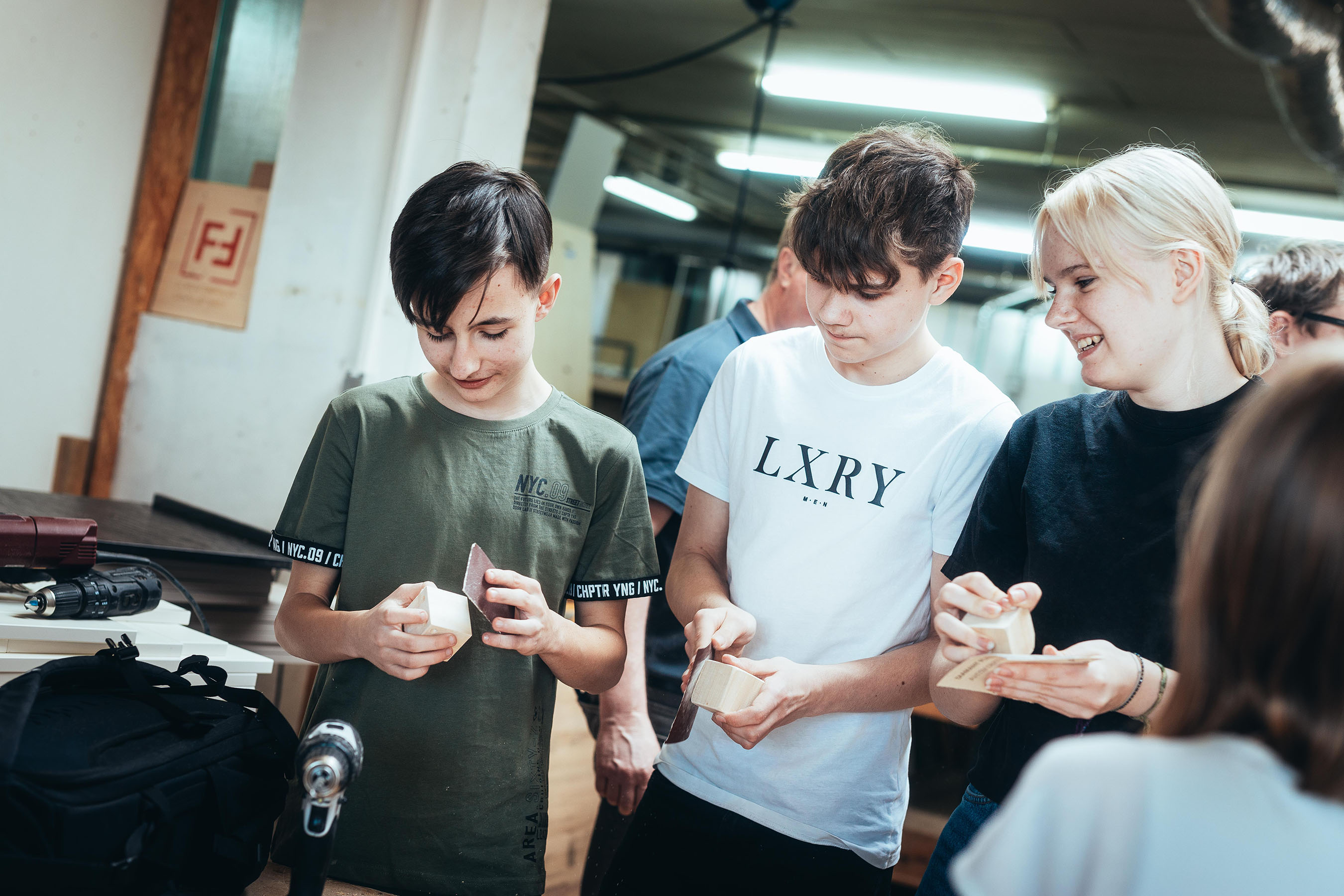
The main aim of the Interreg ‘Talent School’ project, carried out as part of Austrian-Hungarian cooperation, is to enable pupils to discover their hidden talents, abilities and interests through concrete, hands-on experiences. Career guidance is thus realised not merely on a theoretical level, but through hands-on experimentation and personal experiences. The programme is an excellent example of how education can be linked to the local economy and environmental awareness.
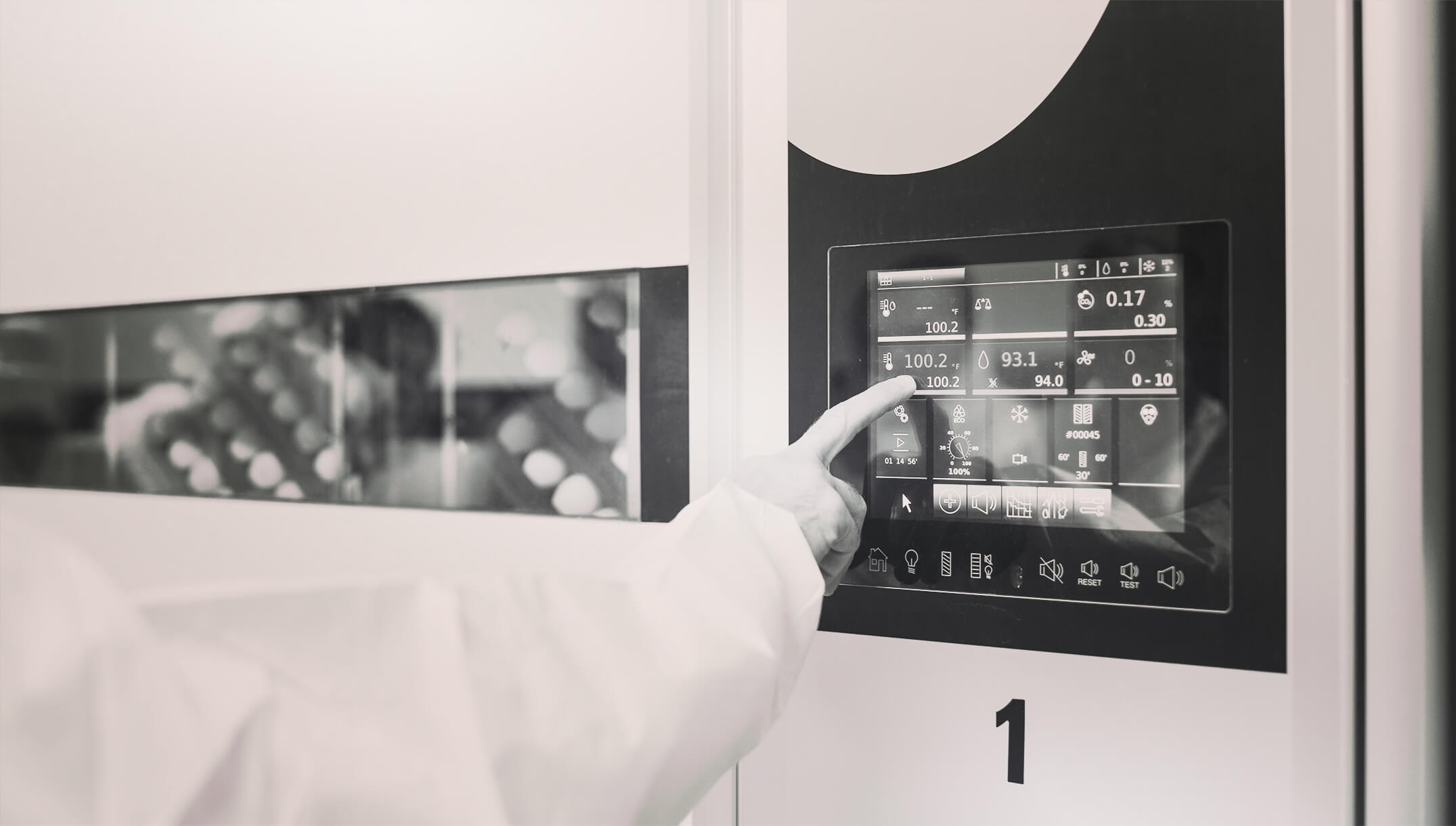
At the Bercsényi School in Győr, used plastics were given a new lease of life as part of the ‘Kids for Future’ plastic recycling workshop. During the programme, which involved the Klagenfurt-based company Partner, pupils from the Örökös Eco-School actively participated in the recycling process across several stages. The plastic collected by the pupils during the spring and summer was sorted by type and colour, then cut into pieces. The pupils were able to try out the shredder and the injection moulding machine for themselves, enabling them to create new everyday objects with their own hands, such as a red spinning top. The initiative’s stated aim was to enable 10–14-year-olds to learn not only about the importance of environmental protection but also about the related technical equipment and professions before choosing a career path.
On the Austrian side of the project, at the secondary school in Fehring (Mittelschule Fehring), which served as one of the pilot sites, the pupils created a learning space for the future: a mobile outdoor classroom. With the support of the ‘Technik für Kinder Vulkanland’ initiative and experts from the Gross joinery in Weinberg, the pupils built 30 easily portable, foldable chairs fitted with writing boards. The pupils were involved in the design process from the very beginning, including the selection of the structure and materials. The final assembly of the chairs took place a week later at the school, as part of the ‘Technology and Design’ course, with the help of a master joiner. The finished chairs will enable flexible, outdoor teaching in the future. Furthermore, the local Sapper bus company provided free transport for the young people to the site, which clearly demonstrates the excellent culture of cooperation between regional partners.
Both the plastic recycling workshop in Győr and the construction of the outdoor classroom in Fehring demonstrate that the Talent School project supports pupils in an innovative and practice-oriented way. In this way, the children develop an environmentally conscious outlook, whilst also gaining first-hand experience of the professions that will shape their future through a sense of achievement.